OCTOBER IS BLACK PANTHER PARTY HISTORY MONTH.
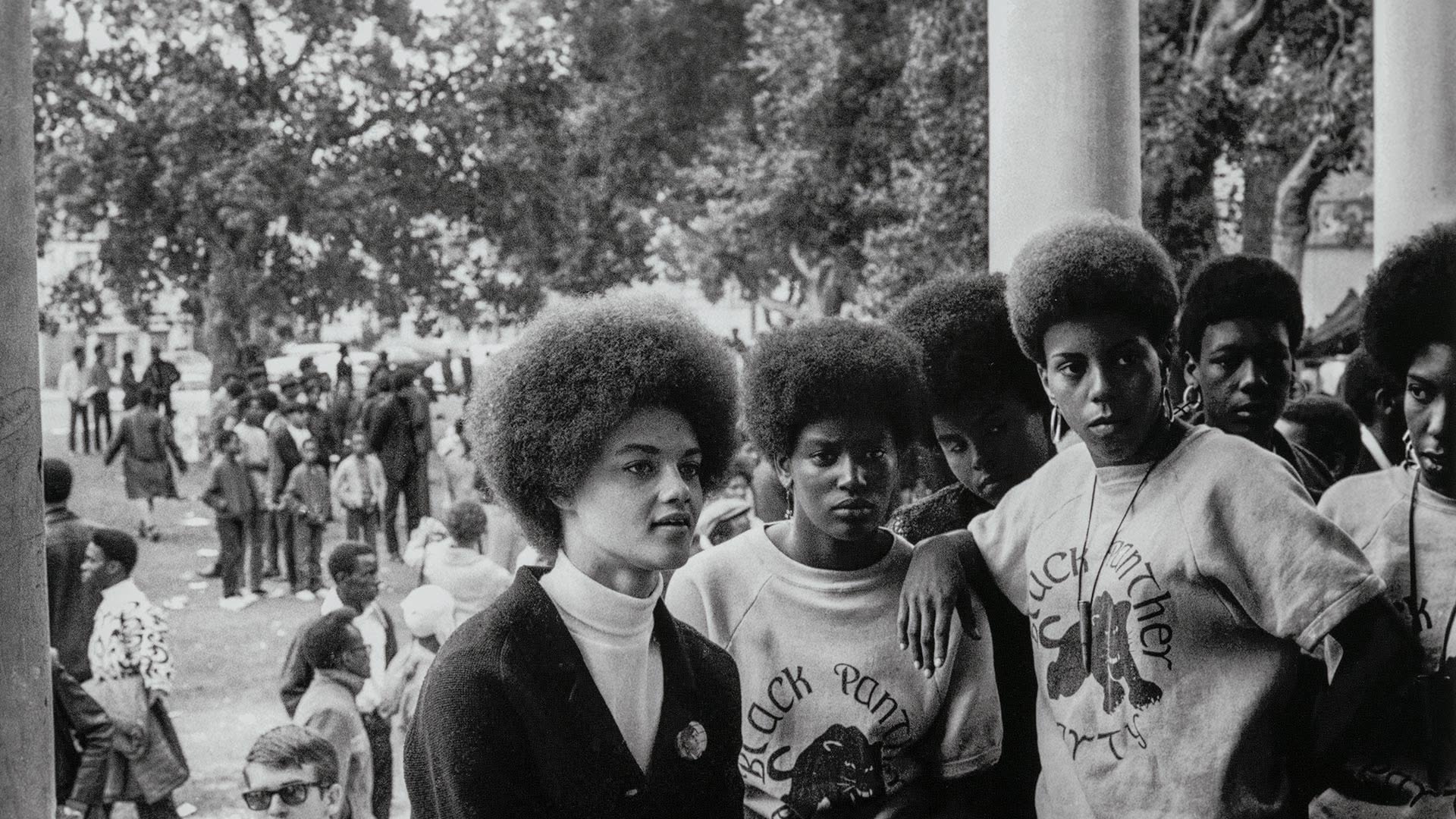
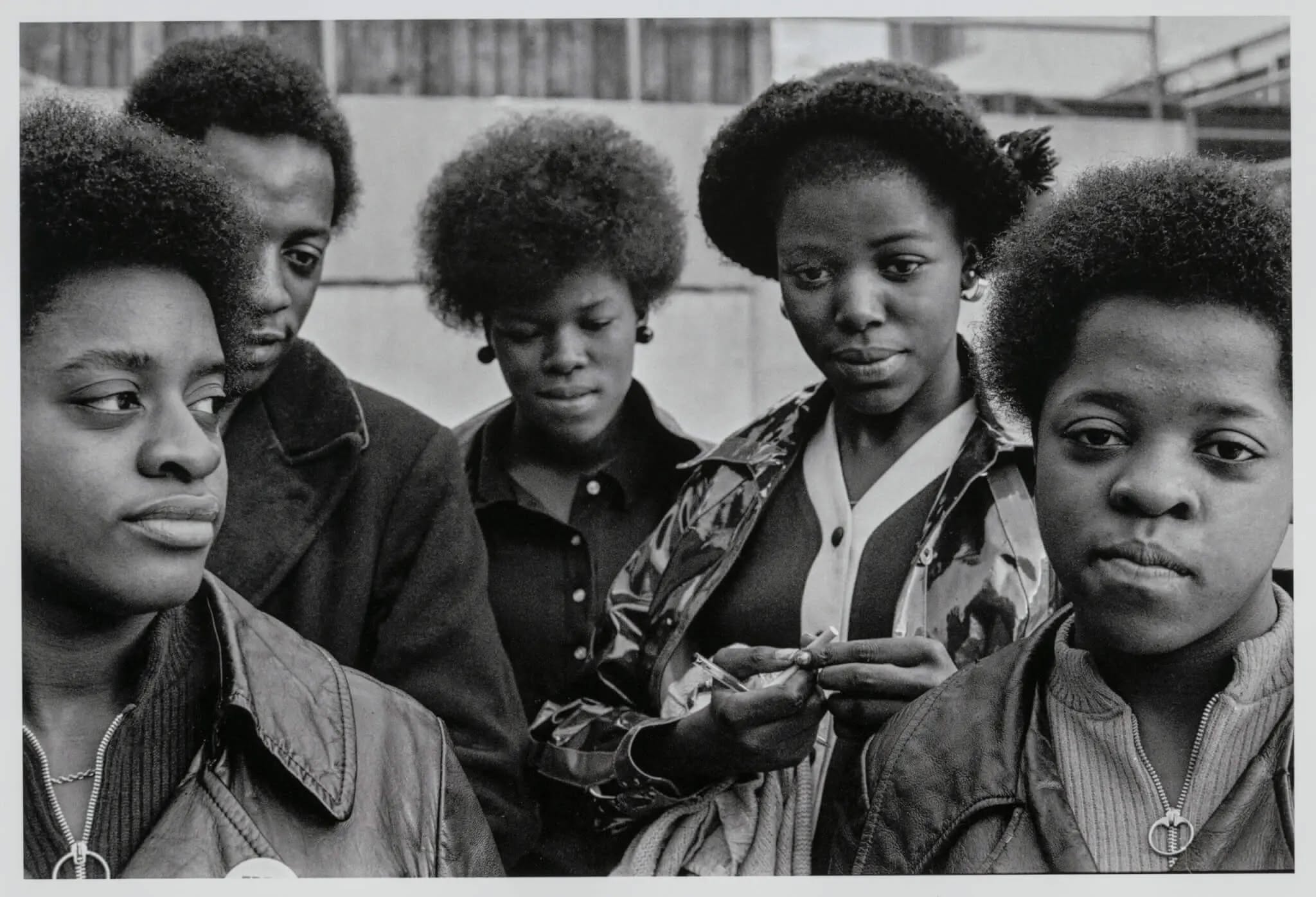
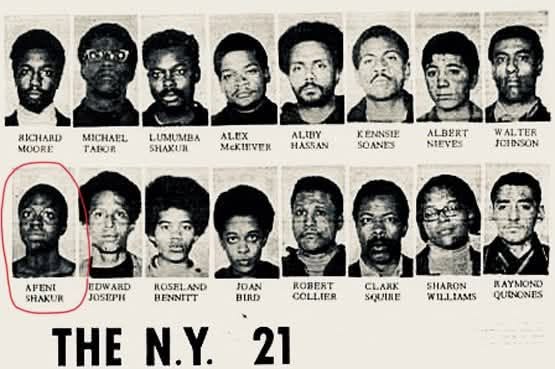
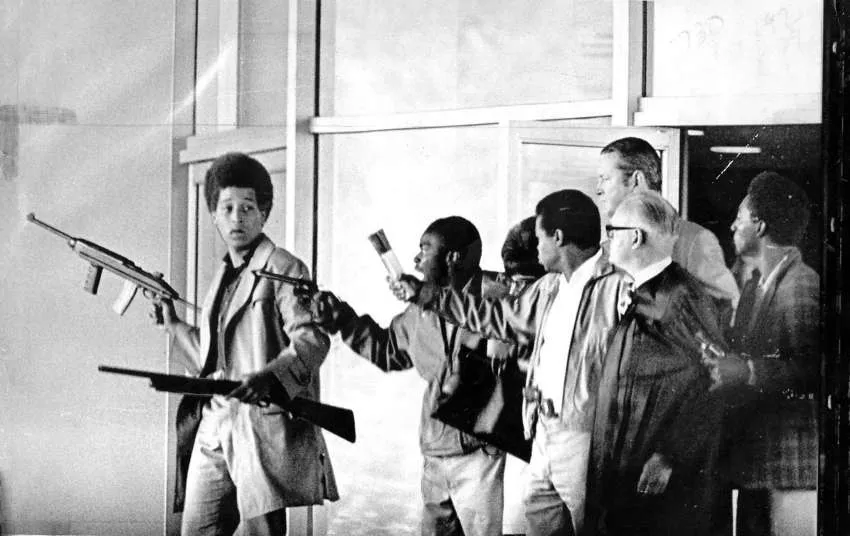
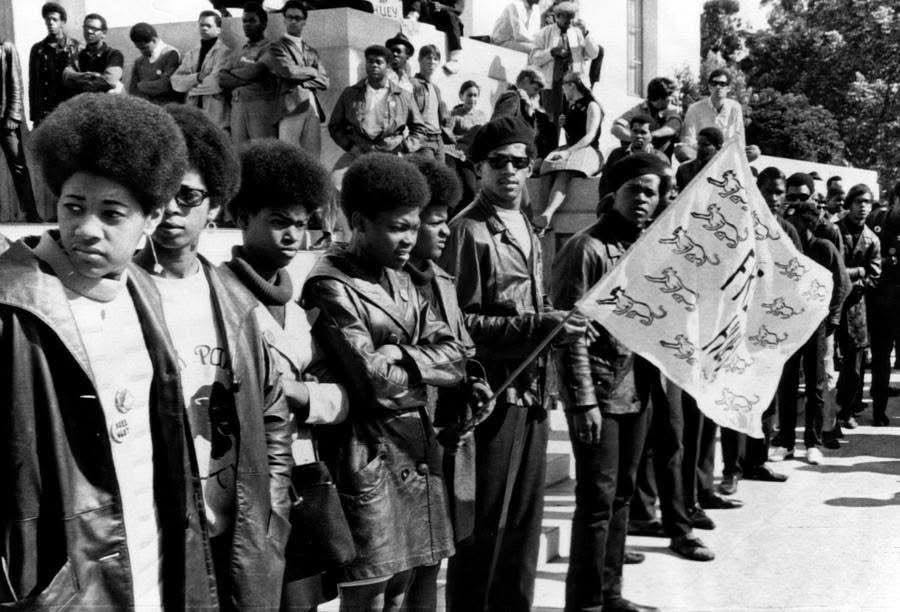
I joined the Black Panther Party in 1968 after an all night conversation with a man named Elmer “Geronimo” Pratt..he told me “a brother like you, with your background belongs with us”.. how could I say no ?. …”Founded in October 1966 by Huey Newton (1942-1989) and Bobby Seale (b. 1936), the Black Panther Party for Self-Defense became the most widely known black militant political organization of the late 1960s. The Black Panthers attracted widespread support among young urban blacks, who wore the group’s distinctive black leather jackets and black berets and often openly displayed weapons. Also attracting the attention of local police and the FBI, the group declined as a result of deadly shootouts and destructive counterintelligence activities that exacerbated disputes between Panthers and other black militant groups.
Newton was already a black militant activist in 1961 when he met Seale, a fellow student at Oakland’s Merritt College. Both joined the Afro-American Association, a black cultural organization led by Donald Warden, but they became dissatisfied with Warden’s procapitalist form of black nationalism. Their sentiments were more in accord with those of Malcolm X, especially after his 1964 break with Elijah Muhammad’s Nation of Islam, and of Robert F. Williams, the then Cuban-based guerrilla warfare advocate. After affiliations with the Merritt’s Soul Student Advisory Council and with the Williams-inspired Revolutionary Action Movement, Newton and Seale created the BPP in order to expand their political activity, which mainly involved “patrolling the pigs”–that is, monitoring police activities in black communities to ensure that civil rights were respected.
The BPP dropped “for Self-Defense” from its name in 1967, but the group remained a paramilitary organization held together by Newton’s eclectic ideas, which were drawn from Marxist-Leninist and black nationalist writings and from the examples of revolutionary movements in Asia and Africa. Although Newton and Seale once gained funds and notoriety by selling books containing the quotations of Mao Tse-tung, the revolutionary tract that most influenced Panther leaders during the mid-1960s was Frantz Fanon’s Wretched of the Earth (1965). The party’s appeal among young blacks was based not just on its unique ideology but also on its willingness to challenge police power by asserting the right of armed self-defense for blacks. The explicit political goals of the Panthers were summarized in the last item of our ten-point Platform and Program: “We want land, bread, housing, education, clothing, justice, and peace. And as our major political objective, a United Nations-supervised plebiscite to be held throughout the black colony in which only black colonial subjects will be allowed to participate, for the purpose of determining the will of black people as to their national destiny.”
 Follow